About the Centre

An institution where ancient wisdom and contemporary innovation converge.

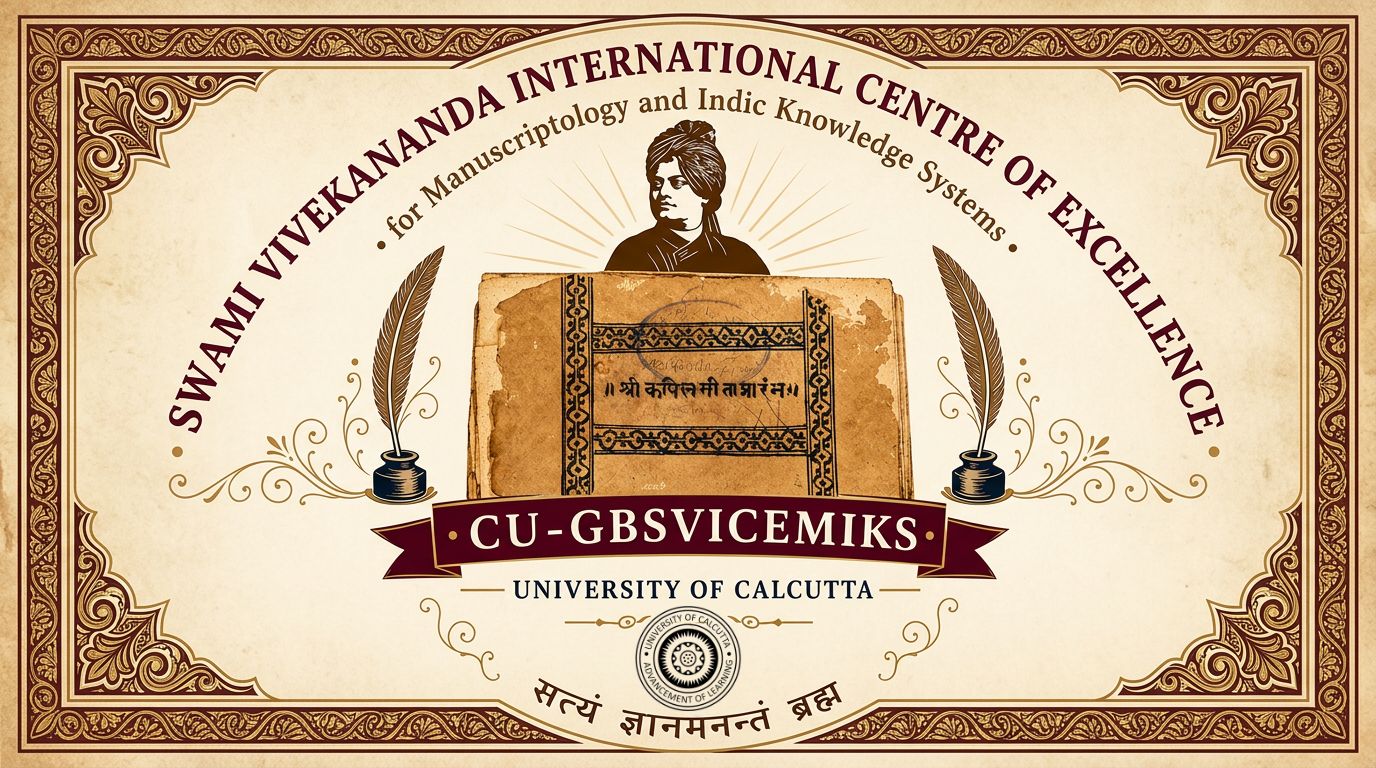
The Gyāna Bhāratam Centre is established within the historic University of Calcutta — for over a century and a half, a pioneering institution in modern Indological studies.

A Convergence of Milestones

The academic year 2026–27 marks a historic convergence: the 170th anniversary of the University of Calcutta, and the 125th Birth Anniversary of Dr. Shyama Prasad Mukherjee — the university’s youngest Vice-Chancellor and a visionary statesman.

This milestone transforms the preservation of manuscript heritage from an archival task into a national mission for civilisational renewal and nation-building.

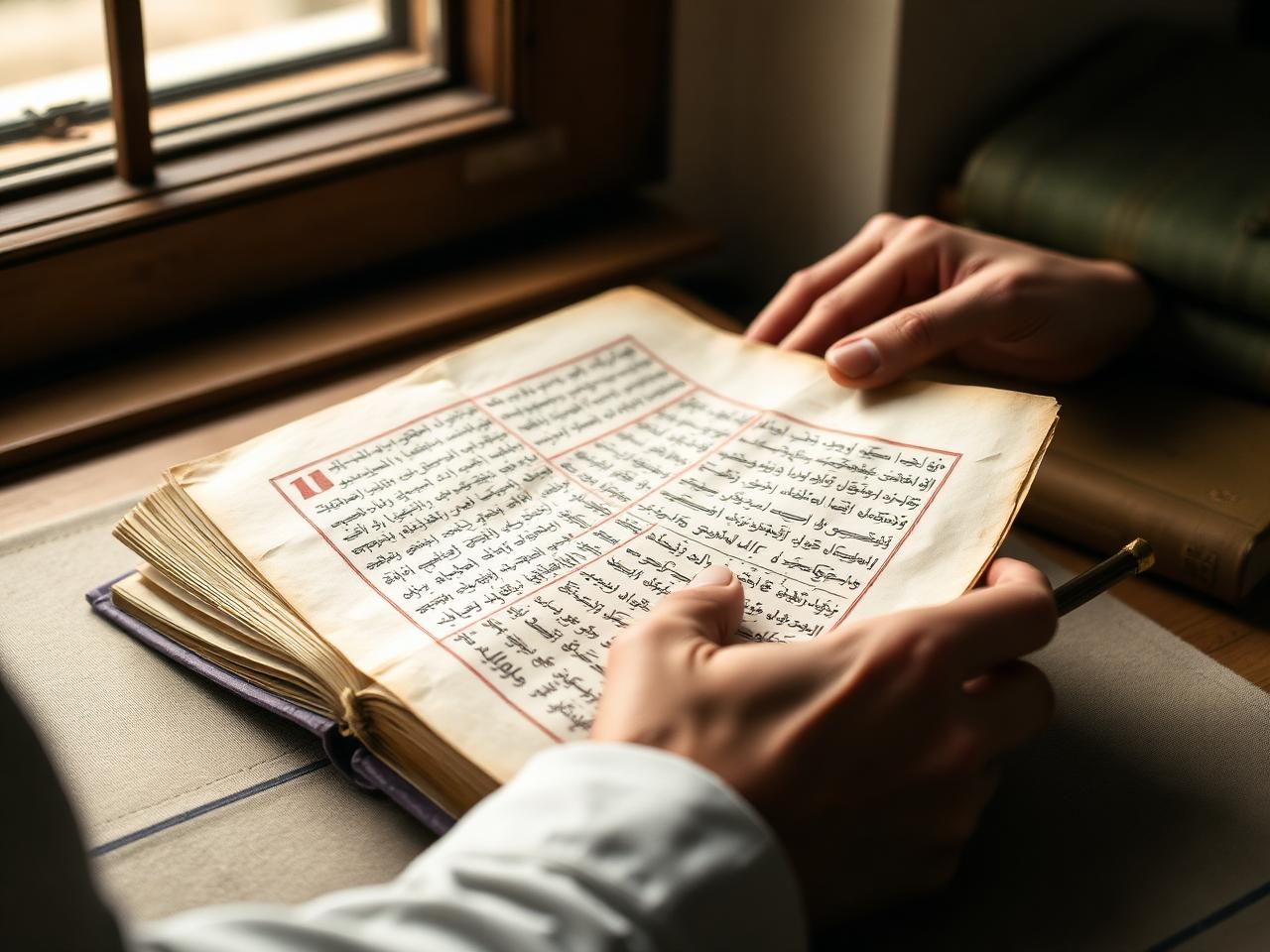
At the heart of this initiative lies the University’s extraordinary collection of more than 42,000 manuscripts preserved in Sanskrit, Bengali, Pali, Prakrit, Persian, and other languages — centuries of accumulated human genius across philosophy, science, medicine, mathematics, astronomy, governance, and ecology.
Vision

A world-leading, UNESCO-standard institution where manuscript heritage is preserved, interpreted, and revitalised as a living source of knowledge.

Mission

To transform endangered documentary heritage into dynamic instruments of research, education, and public policy.

Strategic Objectives

Seven transformations.

Aligned with UNESCO’s Memory of the World, our work pursues these aims in parallel.

01

Global Custodianship

An internationally recognised sanctuary for endangered manuscript traditions.

02

Civilisational Studies

Comparative scholarship between Indic traditions and other world civilisations.

03

Pioneering Digital Humanities

AI, computational linguistics, and semantic-web technologies in service of philology.

04

Living Laboratory

Applying manuscript insights to ecology, healthcare, governance, and resilience.

05

Capacity Building

Fellowships and certifications for scholars, conservators, and archivists.

06

Knowledge Democracy

Multilingual translations and open educational resources for the public.

Horizon 2047

A four-year arc toward leadership.

2026

Foundation & Digitization

High-resolution capture and metadata indexing of the baseline 42,000 manuscripts.

2027

UNESCO Formalisation

Transition into a Category-II Centre for South and Southeast Asia.

2028

AI & Linguistic Automation

Proprietary LLMs for transcription, restoration, and cross-lingual translation.

2029

Civilisational Leadership

An open-access Digital Knowledge Commons for Indic systems.

वसुधैव कुटुम्बकम्

“The world is one family.”

Guided by this humanistic vision, the Centre stands as a bridge across time — safeguarding the past, empowering modern research, and illuminating the future of global human knowledge.

Scroll to Top